Before the digital age and the 24/7 news cycle, the face of Yugoslav pop culture was defined by a handful of magnetic personalities. Among them, Suzana Mančić holds a unique place—not just as a tabloid figure, but as a genuine artifact of the late 20th-century entertainment landscape.
Looking back at the "stari" (old) entertainment and media content featuring Suzana Mančić is like opening a time capsule of the 1980s and 1990s. Her appearances on television were quintessential examples of the era's aesthetic: bold makeup, dramatic shoulder pads, and the raw, unfiltered energy of live studio audiences.
The "stari" media content wasn't just on screen; it dominated the newsstands. Magazines like Svet and TV Revija frequently featured Suzana on their covers. These weren't just interviews; they were cultural events. Reading those old articles today reveals how the media framed female celebrities at the time—focusing on resilience, scandal, and survival. Her photos from that period, often grainy and high-contrast, capture the specific glamour of late Yugoslav pop culture: a mix of European chic and local grittiness.
Today, consuming that old entertainment content featuring Suzana Mančić offers more than nostalgia. It provides a masterclass in media evolution. We see a world without social media filters, where a celebrity’s reputation was built on television appearances and magazine spreads alone. Her archive is a testament to the power of "old school" celebrity—where charisma had to carry the weight that hashtags do today.
Suzana Mančić: A Glimpse into the Golden Era of Yugoslav Entertainment
For fans of retro Balkan pop culture, searching for Suzana Mančić’s old interviews and shows is a rewarding deep dive into a wilder, less-censored time in entertainment history. #SuzanaMančić #YugoslaviaNostalgia #OldMedia #RetroBalkan #CelebrityHistory #VintageEntertainment
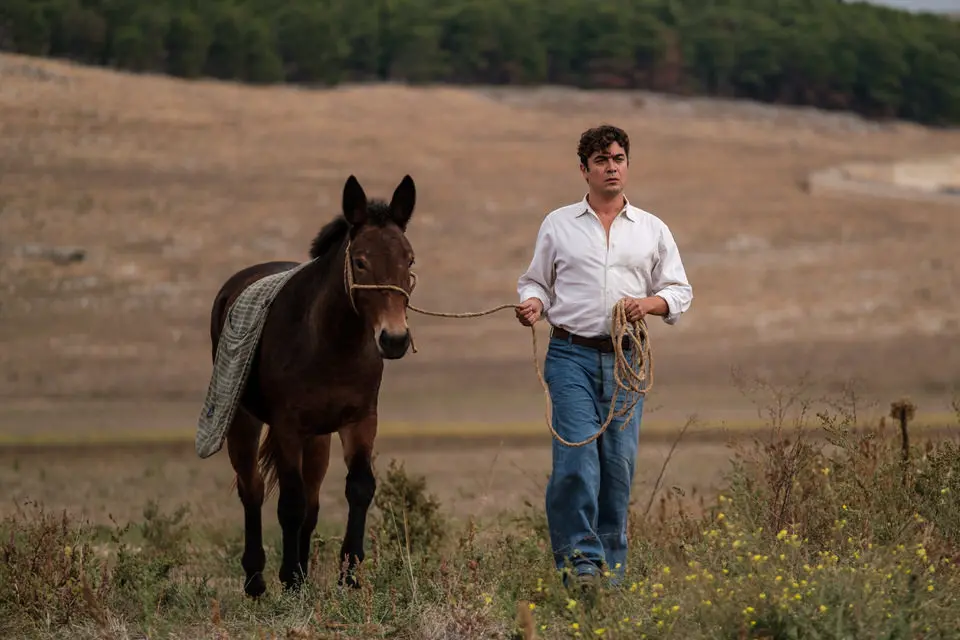
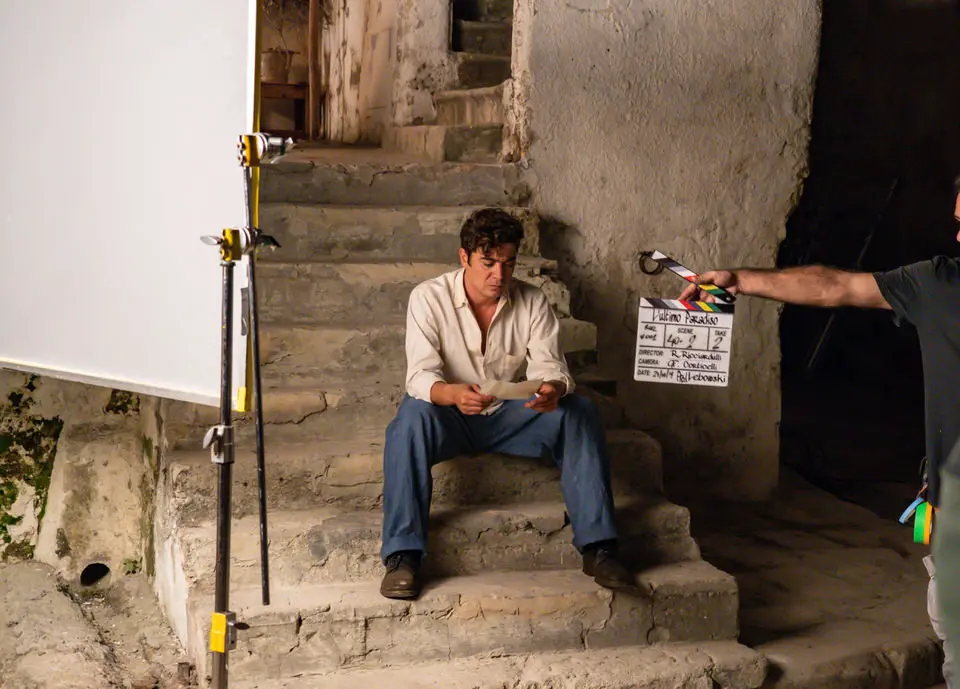
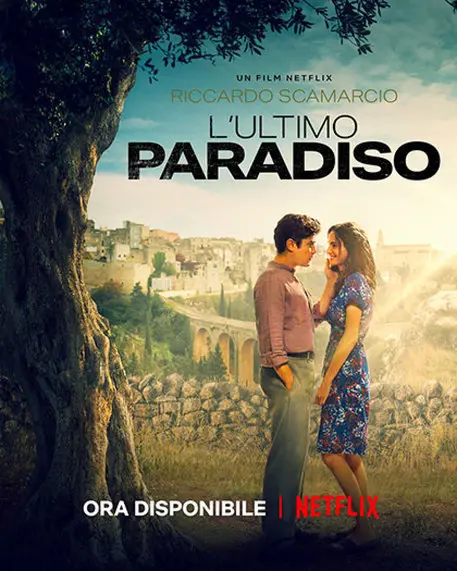
The director Rocco Ricciardulli, from Bernalda, shot his second film, L’ultimo Paradiso between October and December 2019, several dozen kilometres from his childhood home in the Murgia countryside on the border of the Apulia and Basilicata regions. The beautiful, albeit dry and arid landscape frames a story inspired by real-life events relating to the gangmaster scourge of Italy’s martyred lands. It is set in the late 1950’s, an era when certain ancestral practices of aristocratic landowners, archaic professions and a rigid division of work, owners and farmhands, oppressors and oppressed still exist and the economic boom is still far away, in time and space.
The borgo of Gravina in Puglia, where time seems to stand still, is perched at a height of 400m on a limestone deposit part of the fossa bradanica in the heart of the Parco nazionale dell’Alta Murgia. The film immortalizes the town’s alleyways, ancient residences and evocative aqueduct bridging the Gravina river. The surrounding wild nature, including olive trees, Mediterranean maquis and hectares of farm land, provides the typical colours and light of these latitudes. Just outside the residential centre, on the slopes of the Botromagno hill, which gives its name to the largest archaeological area in Apulia, is the Parco naturalistico di Capotenda, whose nature is so pristine and untouched that it provided a perfect natural backdrop for a late 1950s setting.
The alternative to oppression is departure: a choice made by Antonio whom we first meet in Trieste at the foot of the fountain of the Four Continents whose Baroque appearance decorates the majestic piazza Unità d’Italia.
The director Rocco Ricciardulli, from Bernalda, shot his second film, L’ultimo Paradiso between October and December 2019, several dozen kilometres from his childhood home in the Murgia countryside on the border of the Apulia and Basilicata regions. The beautiful, albeit dry and arid landscape frames a story inspired by real-life events relating to the gangmaster scourge of Italy’s martyred lands. It is set in the late 1950’s, an era when certain ancestral practices of aristocratic landowners, archaic professions and a rigid division of work, owners and farmhands, oppressors and oppressed still exist and the economic boom is still far away, in time and space.
The borgo of Gravina in Puglia, where time seems to stand still, is perched at a height of 400m on a limestone deposit part of the fossa bradanica in the heart of the Parco nazionale dell’Alta Murgia. The film immortalizes the town’s alleyways, ancient residences and evocative aqueduct bridging the Gravina river. The surrounding wild nature, including olive trees, Mediterranean maquis and hectares of farm land, provides the typical colours and light of these latitudes. Just outside the residential centre, on the slopes of the Botromagno hill, which gives its name to the largest archaeological area in Apulia, is the Parco naturalistico di Capotenda, whose nature is so pristine and untouched that it provided a perfect natural backdrop for a late 1950s setting.
The alternative to oppression is departure: a choice made by Antonio whom we first meet in Trieste at the foot of the fountain of the Four Continents whose Baroque appearance decorates the majestic piazza Unità d’Italia.
Lebowski, Silver Productions
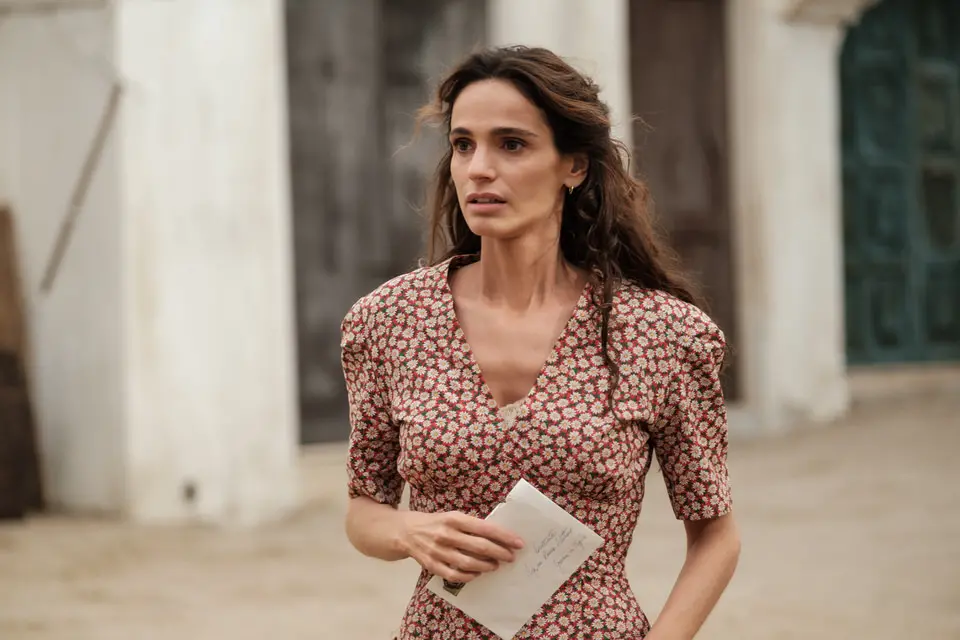
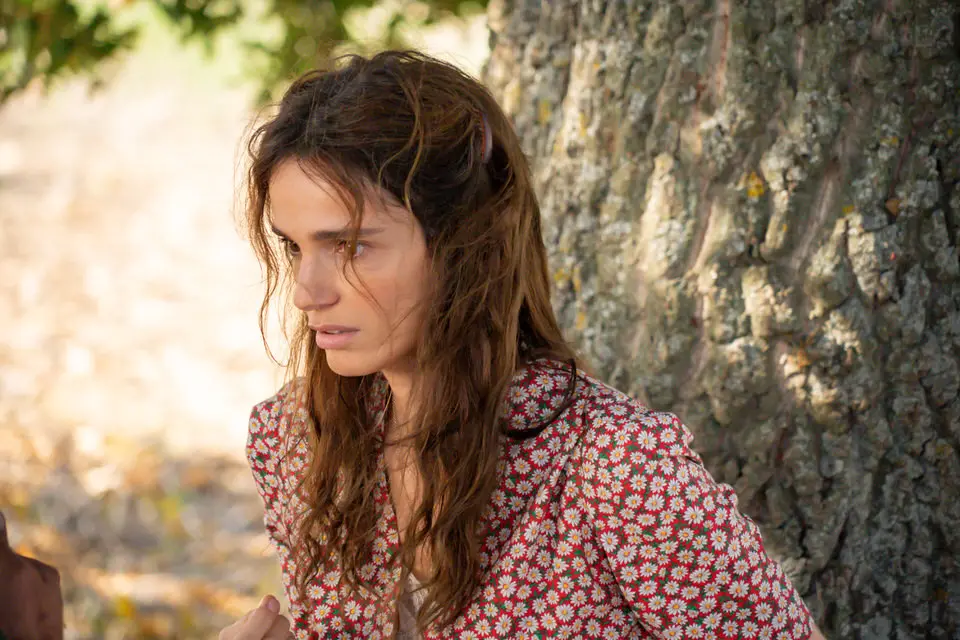
In 1958, Ciccio, a farmer in his forties married to Lucia and the father of a son of 7, is fighting with his fellow workers against those who exploit their work, while secretly in love with Bianca, the daughter of Cumpà Schettino, a feared and untrustworthy landowner.
Before the digital age and the 24/7 news cycle, the face of Yugoslav pop culture was defined by a handful of magnetic personalities. Among them, Suzana Mančić holds a unique place—not just as a tabloid figure, but as a genuine artifact of the late 20th-century entertainment landscape.
Looking back at the "stari" (old) entertainment and media content featuring Suzana Mančić is like opening a time capsule of the 1980s and 1990s. Her appearances on television were quintessential examples of the era's aesthetic: bold makeup, dramatic shoulder pads, and the raw, unfiltered energy of live studio audiences.
The "stari" media content wasn't just on screen; it dominated the newsstands. Magazines like Svet and TV Revija frequently featured Suzana on their covers. These weren't just interviews; they were cultural events. Reading those old articles today reveals how the media framed female celebrities at the time—focusing on resilience, scandal, and survival. Her photos from that period, often grainy and high-contrast, capture the specific glamour of late Yugoslav pop culture: a mix of European chic and local grittiness.
Today, consuming that old entertainment content featuring Suzana Mančić offers more than nostalgia. It provides a masterclass in media evolution. We see a world without social media filters, where a celebrity’s reputation was built on television appearances and magazine spreads alone. Her archive is a testament to the power of "old school" celebrity—where charisma had to carry the weight that hashtags do today.
Suzana Mančić: A Glimpse into the Golden Era of Yugoslav Entertainment
For fans of retro Balkan pop culture, searching for Suzana Mančić’s old interviews and shows is a rewarding deep dive into a wilder, less-censored time in entertainment history. #SuzanaMančić #YugoslaviaNostalgia #OldMedia #RetroBalkan #CelebrityHistory #VintageEntertainment