In the graveyard of forgotten URLs and expired download timers, one tombstone reads simply: Megaupload – 2005–2012 . But next to it, scrawled in the digital equivalent of a broken heart, is the question: “Polka, ¿por qué dejaste de ser mi amor?”

Then Megaupload fell. On January 19, 2012, the FBI seized the site, and the music stopped. Polka didn’t just leave—Polka was extradited. The romance of risk, of shared folders and password-protected forums, was replaced by the sterile, always-available convenience of Spotify and Netflix. No more waiting. No more discovery. No more wondering if the love would last through the night.

Polka wasn’t a person or a band. Polka was a feeling. It was the joy of finding a rare 1970s German polka album uploaded by a user named “accordion_ghost_99.” It was the brief, intense romance between a curious downloader and a file that took three hours to download, only to reveal a Rickroll. Polka was the sweet uncertainty: “Will this file finish before my dial-up disconnects?” “Will it contain a virus or a hidden masterpiece?” Polka was the chaotic, beautiful gamble of shared culture before streaming algorithms decided what we should love.

At first glance, this phrase—part polka rhythm, part telenovela heartbreak—makes no sense. That’s precisely why it captures the spirit of an era. Between 2005 and 2012, millions of users navigated a lawless, glorious ecosystem of shared files: movies in 240p, albums with track names like “Track_01_Final(2).mp3,” and software cracks with names that read like dystopian poetry. Megaupload was the velvet-rope club of this world. And Polka? Polka was the love you found there.

And that, Polka, is why you will always be my first digital heartbreak.

But sometimes, late at night, I still hear your accordion echo through a dead link. And I remember that real love—the kind that existed on Megaupload—was never meant to last. It was meant to be downloaded, shared, and lost.
Related Posts

Polka Porque Dejaste De Ser Mi Amor Megaupload May 2026

In the graveyard of forgotten URLs and expired download timers, one tombstone reads simply: Megaupload – 2005–2012 . But next to it, scrawled in the digital equivalent of a broken heart, is the question: “Polka, ¿por qué dejaste de ser mi amor?”

Then Megaupload fell. On January 19, 2012, the FBI seized the site, and the music stopped. Polka didn’t just leave—Polka was extradited. The romance of risk, of shared folders and password-protected forums, was replaced by the sterile, always-available convenience of Spotify and Netflix. No more waiting. No more discovery. No more wondering if the love would last through the night. polka porque dejaste de ser mi amor megaupload

Polka wasn’t a person or a band. Polka was a feeling. It was the joy of finding a rare 1970s German polka album uploaded by a user named “accordion_ghost_99.” It was the brief, intense romance between a curious downloader and a file that took three hours to download, only to reveal a Rickroll. Polka was the sweet uncertainty: “Will this file finish before my dial-up disconnects?” “Will it contain a virus or a hidden masterpiece?” Polka was the chaotic, beautiful gamble of shared culture before streaming algorithms decided what we should love. In the graveyard of forgotten URLs and expired

At first glance, this phrase—part polka rhythm, part telenovela heartbreak—makes no sense. That’s precisely why it captures the spirit of an era. Between 2005 and 2012, millions of users navigated a lawless, glorious ecosystem of shared files: movies in 240p, albums with track names like “Track_01_Final(2).mp3,” and software cracks with names that read like dystopian poetry. Megaupload was the velvet-rope club of this world. And Polka? Polka was the love you found there. Polka didn’t just leave—Polka was extradited

And that, Polka, is why you will always be my first digital heartbreak.

But sometimes, late at night, I still hear your accordion echo through a dead link. And I remember that real love—the kind that existed on Megaupload—was never meant to last. It was meant to be downloaded, shared, and lost.
Microsoft 365 Backup Access Control Best Practices

Managing Access Controls for Backup Data in Microsoft 365

Learn how to manage access controls for Microsoft 365 backup data. Protect sensitive data and ensure compliance with role-based permissions and audit logging.

5 min read
Why Hire an MSP for CMMC Certification Support

Why Hire an MSP for CMMC Certification Support?

Learn why partnering with an MSP for CMMC certification support can streamline your path to compliance, reduce costs, and improve cybersecurity posture.

7 min read
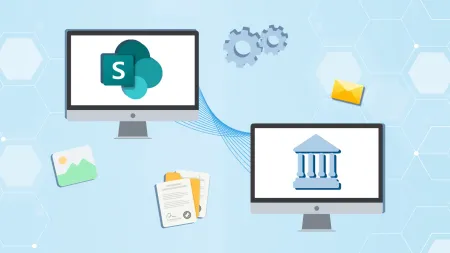
SharePoint GCC High Migration: Step-by-Step Guide

How to Migrate SharePoint Data to GCC High

Learn how to migrate SharePoint data to GCC High to meet CMMC, NIST, and ITAR compliance requirements with this practical guide.

7 min read
FedRAMP & Microsoft Cloud Tenant Migrations

Understanding FedRAMP Implications for Microsoft Cloud Tenant Migrations

Learn how FedRAMP requirements impact Microsoft cloud tenant migrations and what regulated organizations must do to stay compliant.

6 min read
Cloud Backup Strategies for Ransomware Protection

Protecting Against Ransomware with Cloud Backup Strategies

Explore effective cloud backup strategies to defend against ransomware attacks. Learn best practices for recovery, redundancy, and data resilience.

6 min read

Ready to Secure and Defend Your Data
So Your Business Can Thrive?

Fill out the form to see how we can protect your data and help your business grow.

Loading...
Secure. Defend. Thrive.

Let's start a conversation

Discover more about Agile IT's range of services by reaching out.

Don’t want to wait for us to get back to you?

Schedule a Free Consultation

Location

Agile IT Headquarters
4660 La Jolla Village Drive #100
San Diego, CA 92122

Contact