Expert Professional Home Services, Book Online
Contact Us

Need Help? Call Us : 8087611222 / 8237611222 / 8087911222
3 simple steps to Trukky freedom




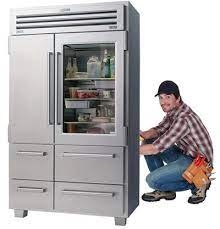
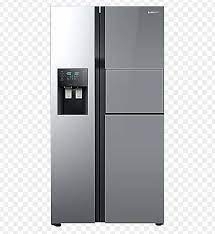
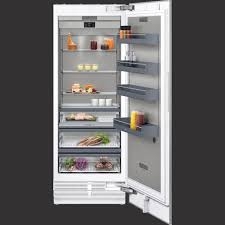
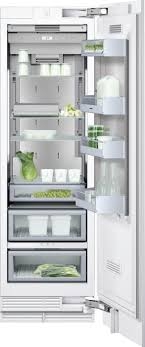
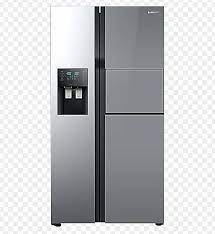
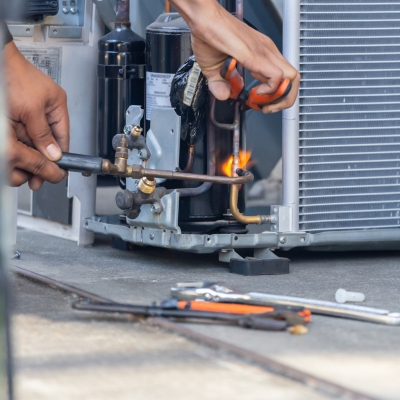
There are only two times that your Refrigerator will talk to you: when it’s done and when it needs help, so don't worry we are here !!!!!!!
“The greatest gift you can give yourself is a little bit of your own attention,Because Sometimes all we need is a little pampering to help us feel better”
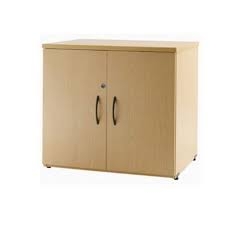
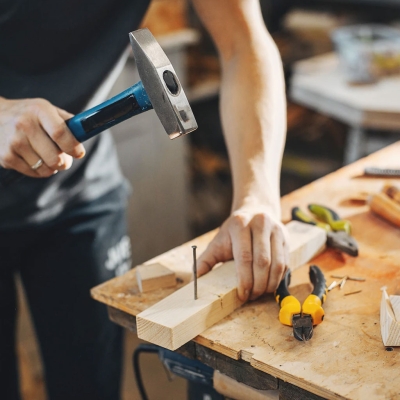
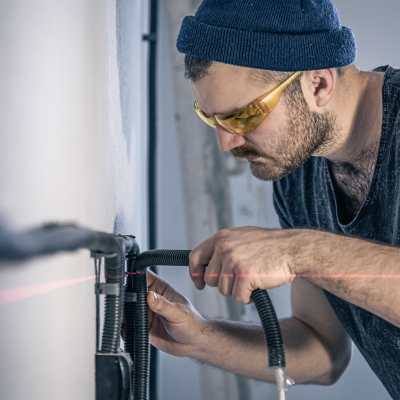
Our Carpentry work is the Illusion of Perfection!!!!
"Human beings are like tea-bags. You don't know your own strength until you get hot water."
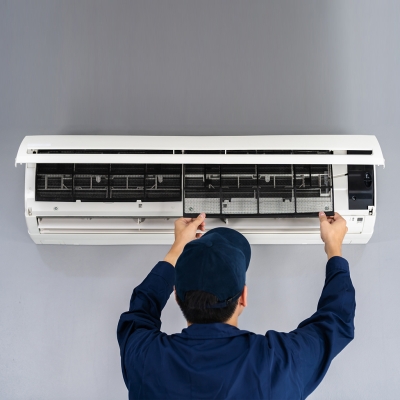
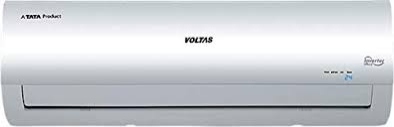
Beat the heat , Book for instant Services
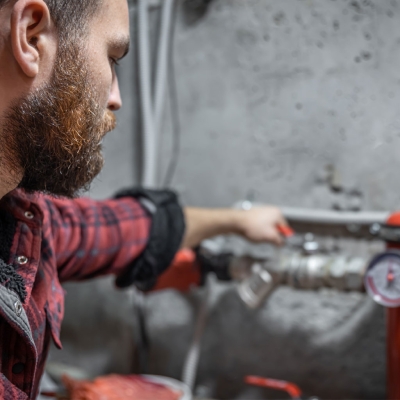
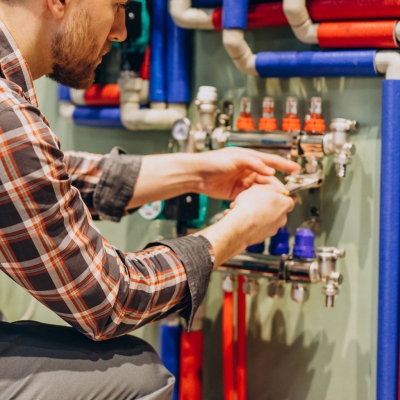
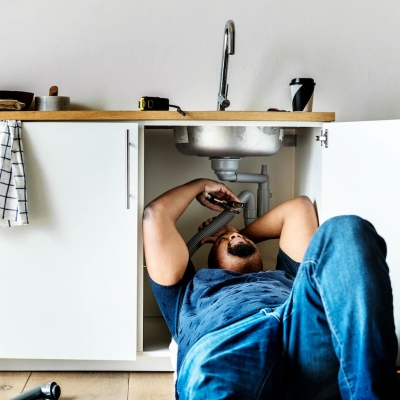
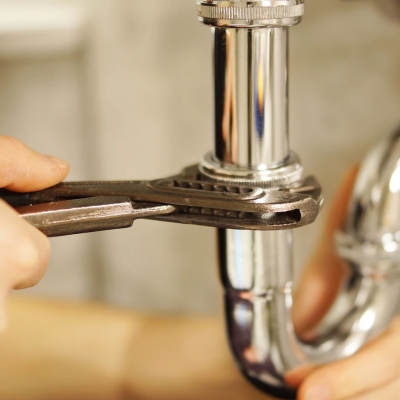
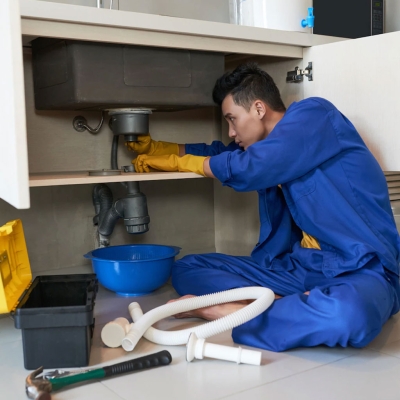
“People say they are always waiting for GOD to appear, but have you ever tried to find a plumber on a Sunday?”

Testimonials
The truth is that you can not satisfy everyone all of the time. And you never read minds. But ServiceOnWheel is Expert in the home services industry. and We are perfect to Retain a client by our exceptional customer experience and professional technician.

 I purchased Lg split air conditioner from a local shop but not getting timely air conditioning installation service.searched air conditioning companies.and called Service on wheel technician.they offered and completed Ac installation service at reasonable cost.


Only 5 stars?! if I could give Service on wheel 10 stars I would. My new home had some real issues, and local electricians in Ahmedabad. went above-and-beyond to resolve them all. He was generous with his time and knowledge. I found him to be honest and trustworthy, and I'm very pleased with his work. Will definitely use him again if needed."


I had a wonderful experience of beauty salon service at home in Bhopal. Service quality is comparable to top salons in metros. Key thing is the personal attention from the owners. Nisha really understands your needs. Nice and good experience, also I would recommend for everyone Who is looking for hair salon service at home in Bhopal or beauty parlor service at home in Bhopal.Would love to call again.

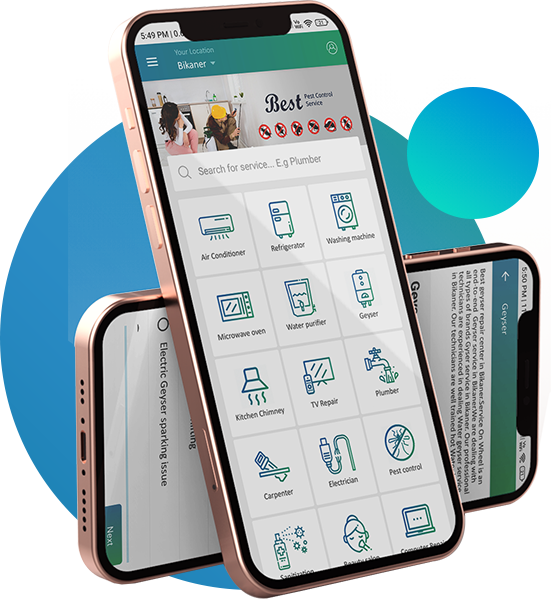
Download the app NOW. It’s smart, easy and fast.



They have trusted us. Chances are you services useful as well




For the vast majority of Nokia 216 owners—who use the phone as a primary communication tool in regions with unreliable electricity and expensive data—the concept of connecting their phone to a computer to update its firmware is alien. The phone is a tool, not a platform. It is bought, used, and when it finally fails, discarded or repaired locally. The software it ships with is the software it dies with. This is not neglect; it is a perfect alignment of product capability and user expectation.
The Nokia 216’s software update status offers a profound counter-narrative to the dominant tech industry dogma. We are conditioned to believe that all software is perpetually incomplete, that updates are a sign of corporate responsibility, and that a device without updates is “abandoned” or “insecure.” The Nokia 216 reverses this logic. Its inability to receive updates is not a vulnerability; it is a sign of a closed, verified, and finished system.
To understand the update landscape of the Nokia 216, one must first understand its operating system: Nokia’s proprietary Series 30+ (S30+). This is not a general-purpose OS like Android or iOS. It is a lightweight, real-time operating system designed for a specific, minimal set of tasks—calling, texting, a basic calculator, an FM radio, an MP3 player, and the vestiges of a 2G internet browser (Opera Mini). The beauty of S30+ lies in its deterministic simplicity. The codebase is small, the hardware demands are fixed, and the system is essentially free of the memory leaks, background process conflicts, and security vulnerabilities that plague modern, multi-threaded smartphone OSes.
If a user navigates the Nokia 216’s menu to “Settings” -> “Phone” -> “Software updates,” they will likely encounter a screen that says, “No updates available” or simply times out. This is not a failure; it is a statement of design philosophy. In the world of Series 30+, the software is the phone. There is no cloud-based OTA (Over-The-Air) update infrastructure in the modern sense. Updates, on the rare occasions they existed for this class of device during its production run, were typically distributed via Nokia Care Suite on a Windows PC, requiring a USB cable and a specific firmware binary (a .mbn file). The process was arcane, risky, and intended only for repair centers.
Ultimately, the most detailed essay on the Nokia 216 software update must conclude that the most significant update is the one that never arrives. The act of not updating is the device’s defining feature. It is a testament to a bygone engineering ethos: that a tool can be perfected at the point of manufacture, that software can be a finished artifact, and that true reliability is measured not in the frequency of patches, but in the quiet, unbroken years of service between a single charge and the next. The Nokia 216’s software is done. And in that finality, there is a strange, beautiful freedom.
In an era defined by the relentless churn of smartphone operating systems—where iOS and Android updates arrive in a perennial stream of security patches, feature drops, and UI overhauls—the Nokia 216 stands as a peculiar monument to technological stasis. Released in 2016, at a time when the world was already deeply entrenched in the touchscreen revolution, the Nokia 216 is a feature phone: a candy-bar-shaped device with a T9 keyboard, a tiny 2.4-inch display, and a battery measured in weeks, not hours. To speak of a “software update” for such a device is to invoke a paradox. An essay on the Nokia 216 software update is, therefore, not a chronicle of changelogs and new emojis. Instead, it is an exploration of what software updates mean on the periphery of the mobile industry, a case study in the philosophy of “if it isn’t broken, don’t fix it,” and a eulogy for a time when a phone’s software was considered complete at the moment of sale.
This architectural reality fundamentally redefines the purpose of a software update. For a smartphone, an update is a necessity—a patch for a constantly evolving threat landscape or a remedy for performance degradation. For the Nokia 216, an update is almost an ontological impossibility. When the device left the factory, its software was already feature-complete and, more importantly, bug-free to a degree that modern developers can only envy. There are no third-party app stores, no background data sync, no JavaScript engine exploits of consequence on a 2G connection. The attack surface is so minuscule as to be non-existent. Consequently, the primary reason for software updates in the modern world—security—is rendered moot.



























 Join Now