
Medizinonline Medizinonline
  • Noticias
    • Noticias
    • Mercado y medicina
  • Pacientes
    • Patrones de enfermedad
    • Diagnóstico
    • Terapia
  • Contenido para socios
    • Diabetes
      • Club Dia-Mes – Diabetes tipo 2
      • Diabetes en movimiento
      • Diabetes Podcasts
    • Gastroenterología
      • La EII importa
    • Oncología
      • Oncología suiza en movimiento
    • Ortopedia
      • Osteoporosis en movimiento
  • Departamentos
    • Alergología e inmunología clínica
    • Medicina Interna General
    • Anestesiología
    • Angiología
    • Cirugía
    • Dermatología y venereología
    • Endocrinología y diabetología
    • Nutrición
    • Gastroenterología y hepatología
    • Genética
    • Geriatría
    • Ginecología
    • Hematología
    • Infectología
    • Cardiología
    • Nefrología
    • Neurología
    • Medicina de urgencias y cuidados intensivos
    • Medicina nuclear
    • Oncología
    • Oftalmología
    • ORL
    • Ortopedia
    • Pediatría
    • Farmacología y toxicología
    • Medicina farmacéutica
    • Flebología
    • Medicina física y rehabilitación
    • Neumología
    • Prevención y asistencia sanitaria
    • Psiquiatría y psicoterapia
    • Radiología
    • Medicina forense
    • Reumatología
    • Medicina deportiva
    • Traumatología y cirugía traumatológica
    • Medicina tropical y de viajes
    • Urología
    • Odontología
  • CME y congresos
    • Formación CME
    • El Congreso informa
    • Calendario del Congreso
  • Práctica
    • Noctimed
    • Gestión de la práctica
    • Empleo
    • Entrevistas
  • Conectarse
  • Regístrese en
  • Mi cuenta
  • Póngase en contacto con
  • Home
  • General
  • Guides
  • Reviews
  • News
Suscribir
Medizinonline Medizinonline
  • Noticias
    • Noticias
    • Mercado y medicina
  • Patienten
    • Krankheitsbilder
    • Diagnostik
    • Therapie
  • Contenido para socios
    • Dermatología
    • Diabetes
      • Club Dia-Mes – Diabetes tipo 2
      • Diabetes en movimiento
      • Diabetes Podcasts
    • Gastroenterología
      • La EII importa
    • Oncología
      • Oncología suiza en movimiento
    • Ortopedia
      • Osteoporosis en movimiento
    • Phytotherapie
    • Reumatología
  • Departamentos
    • Fachbereiche 1-13
      • Alergología e inmunología clínica
      • Medicina Interna General
      • Anestesiología
      • Angiología
      • Cirugía
      • Dermatología y venereología
      • Endocrinología y diabetología
      • Nutrición
      • Gastroenterología y hepatología
      • Genética
      • Geriatría
      • Ginecología
      • Hematología
    • Fachbereiche 14-26
      • Infectología
      • Cardiología
      • Nefrología
      • Neurología
      • Medicina de urgencias y cuidados intensivos
      • Medicina nuclear
      • Oncología
      • Oftalmología
      • ORL
      • Ortopedia
      • Pediatría
      • Farmacología y toxicología
      • Medicina farmacéutica
    • Fachbereiche 26-38
      • Flebología
      • Medicina física y rehabilitación
      • Fitoterapia
      • Neumología
      • Prevención y asistencia sanitaria
      • Psiquiatría y psicoterapia
      • Radiología
      • Medicina forense
      • Reumatología
      • Medicina deportiva
      • Traumatología y cirugía traumatológica
      • Medicina tropical y de viajes
      • Urología
      • Odontología
  • CME y congresos
    • Formación CME
    • El Congreso informa
    • Calendario del Congreso
  • Práctica
    • Noctimed
    • Gestión de la práctica
    • Empleo
    • Entrevistas
neighbours 528
Login

Sie haben noch keinen Account? Registrieren

neighbours 528
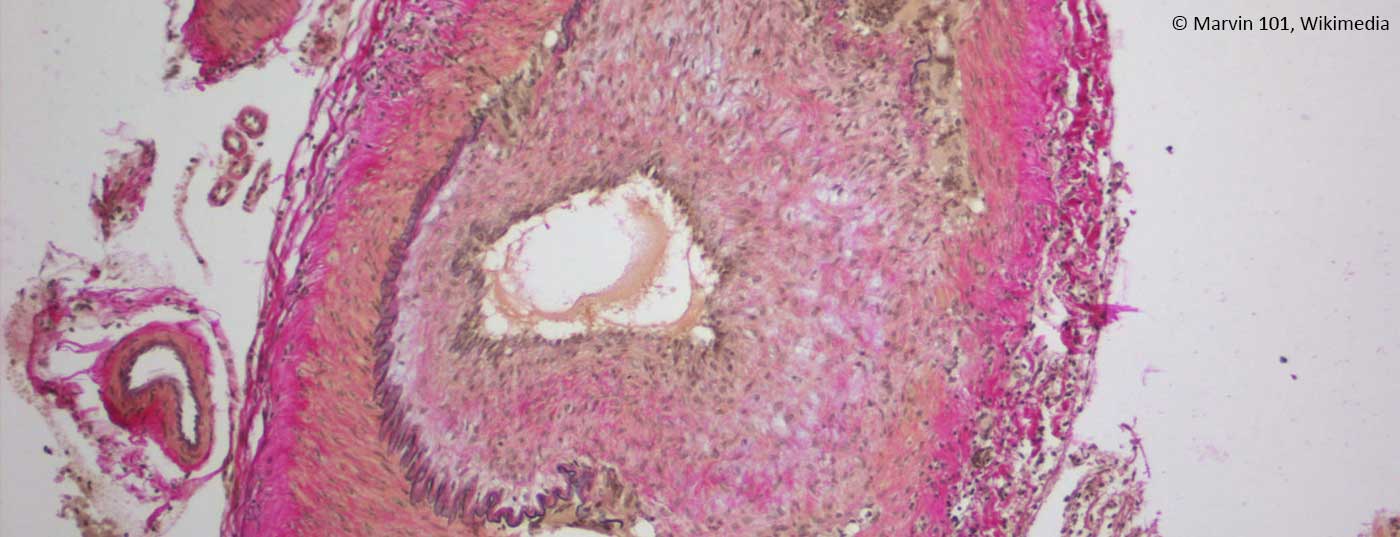
  • Inflamación autoinmune de la arteria temporal

Neighbours 528 Site

    • Angiología
    • Formación continua
    • Geriatría
    • Reumatología
    • RX
  • 9 minuto leer

In the vast landscape of contemporary short fiction, few stories capture the awkward, beautiful, and often comedic process of cultural assimilation as deftly as Tim Winton’s “Neighbours.” The story, which follows a young, university-educated couple who move into a multicultural, working-class neighbourhood, dismantles the simplistic binary of “us versus them.” Through a sequence of vivid, almost silent encounters, Winton argues that true neighbourliness is not born from shared language or background, but from shared humanity, vulnerability, and the quiet rituals of daily life. Ultimately, “Neighbours” is a helpful parable for our globalized age: it suggests that belonging is not a state you arrive with, but a structure you build together, one small gesture at a time.

In conclusion, “Neighbours” is not a saccharine tale of instant harmony. It is a story about the grit and grace of learning to live with difference. Winton’s helpful message for readers is clear: community is an active verb. It requires us to tolerate the noise, the strange smells, and the unfamiliar rituals of those next door. The young couple begins the story trying to keep the world out, but they end it fully absorbed into the messy, generous, and wordless embrace of that world. The story suggests that the ideal neighbour is not the one who is most like you, but the one who shows up—with a bowl of soup, a repaired fence, or a hand on a labouring back. In an era of increasing isolation and digital connection, “Neighbours” reminds us that the most profound human bonds are often forged not in spite of our differences, but through them, right over the backyard fence.

The story’s opening immediately establishes a central tension: the couple feels profoundly alien. They are intellectuals, absorbed in their own world of books and study, while their neighbours are Macedonian, Polish, and Italian—people who garden loudly, slaughter pigs in the backyard, and weep openly at their windows. The initial reaction from the young couple is a mixture of fear and revulsion. Winton masterfully uses this discomfort to highlight the first stage of neighbourly relations: the phase of defensive observation. The couple’s attempt to build a fence, which the Polish carpenter promptly knocks down to fix it properly, becomes a perfect metaphor. They try to erect a boundary, but the community, with its rough-hewn practicality, refuses to let it stand. The lesson here is helpful but uncomfortable: the barriers we build are often based on prejudice, not reality.

Banner Landingpage Kurzfachinfo
  • File
  • Madha Gaja Raja Tamil Movie Download Kuttymovies In
  • Apk Cort Link
  • Quality And All Size Free Dual Audio 300mb Movies
  • Malayalam Movies Ogomovies.ch
Cursos de formación CME
  • neighbours 528 1
    Mecanismos moleculares de la plasticidad tumoral
  • neighbours 528 2
    Interacción entre cáncer y enfermedad mental
  • neighbours 528 3
    ¿Puede tragar inteligencia? Horarios de las clases de sustancias relevantes para personas sanas
  • neighbours 528 4
    PH y enfermedades pulmonares
  • neighbours 528 5
    Causas y prevención en el trabajo

Boletín

Suscríbase y manténgase al día

Suscríbase
Medizinonline Medizinonline
  • Póngase en contacto con
  • Condiciones generales
  • Pie de imprenta

%!s(int=2026) © %!d(string=Fresh Venture)

Ingresa las palabras de la búsqueda y presiona Enter.