 Beetle
 T2 Bay
 T2 Split
 T25
T25
 Transporter T4
 Transporter T5
 Golf Mk1
 Golf Mk2


 911
911
 996
996
 997
997
 986 Boxster
 987 Boxster
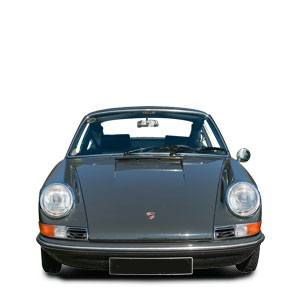 912
912
 944
944
 924
924


 Defender
 Discovery Series 1
 Discovery 2
 Series 1, 2 & 3
 Freelander
 Freelander 2




Modern adaptations—from Steven Spielberg’s 2005 film (with Tom Cruise) to Jeff Wayne’s 1978 musical version (yes, a prog-rock musical)—have played with the design. But the core remains: the tripod is the opposite of human technology. It doesn't roll on wheels or fly with wings. It walks . It is alien, mechanical, and animal all at once.
Or so they thought.
So the next time you see a strange light in the sky, or hear a static burst on the radio, or feel the ground shake for no reason… remember the words of H.G. Wells:
The Martians are not the little green men of later pop culture. Wells describes them as enormous disembodied brains: a large head with a beak-like mouth, two large eyes, and sixteen tentacles. They are all intellect and no emotion. They move around in massive, silent tripods (walking war machines) that crush everything in their path.
When a 23-year-old Orson Welles (no relation to H.G.) aired his radio adaptation of The War of the Worlds , he unleashed a wave of mass panic. Listeners who tuned in late missed the disclaimer that it was fiction. They heard urgent news bulletins interrupt a music program. They heard reporters screaming as “giant flaming creatures” emerged from a smoking crater in Grover’s Mill. They heard the crackle of artillery fire, the screams of civilians, and then… silence.
What made the story so terrifying wasn’t just the special effects. It was the core idea that H.G. Wells had planted forty years earlier:
#ScienceFiction #HGWells #TheWarOfTheWorlds #BookReview #ClassicLiterature #Horror #Colonialism
The story is narrated by an unnamed philosopher living in Woking, England (just outside London). He watches as mysterious cylinders crash onto Horsell Common. At first, the locals are curious—they treat the Martians like circus performers. But when the creatures emerge, “slowly, painfully, and slug-like,” and turn their heat rays on the crowd, curiosity turns to horror.