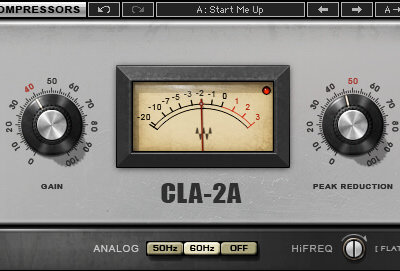
Waves CLA-2A Compressor / Limiter
Is this ? Probably not. But the behavior description fits: deliberate non-compliance, testing boundaries, and asserting control over a low-stakes task. Alternatively, it’s giftedness with low frustration tolerance —they know the answer but reject the medium. A psychiatrist would ask: Is this a pattern, or is today just a hard day?
This is common in younger children (ages 4-7) but can appear in older kids under stress. The child didn’t solve the equation; they transformed the task. The plate became a face. The fractions became emotions. Is this
Here’s a draft for a blog post written from a psychiatrist’s perspective, blending clinical observation with a touch of humor. The Differential Diagnosis of a Paper Plate Math Worksheet: A Psychiatrist’s Take on Wrong Answers The child didn’t solve the equation; they transformed
As a psychiatrist, I spend my days listening to narratives—the stories our minds tell us about ourselves, others, and the world. I analyze thought processes, emotional regulation, and behavior. So, when my friend showed me a photo of her second-grader’s homework—a “paper plate math worksheet” where the child had used a paper plate to visualize fractions—I couldn’t help but put on my clinical hat. The child didn’t solve the equation