Fylm Laura- Les Ombres De L-ete 1979 Mtrjm Awn Layn - Fydyw Lfth 📍 🆓
A unique visual novel where you explore a mysterious coffee machine that can dispense any liquid imaginable
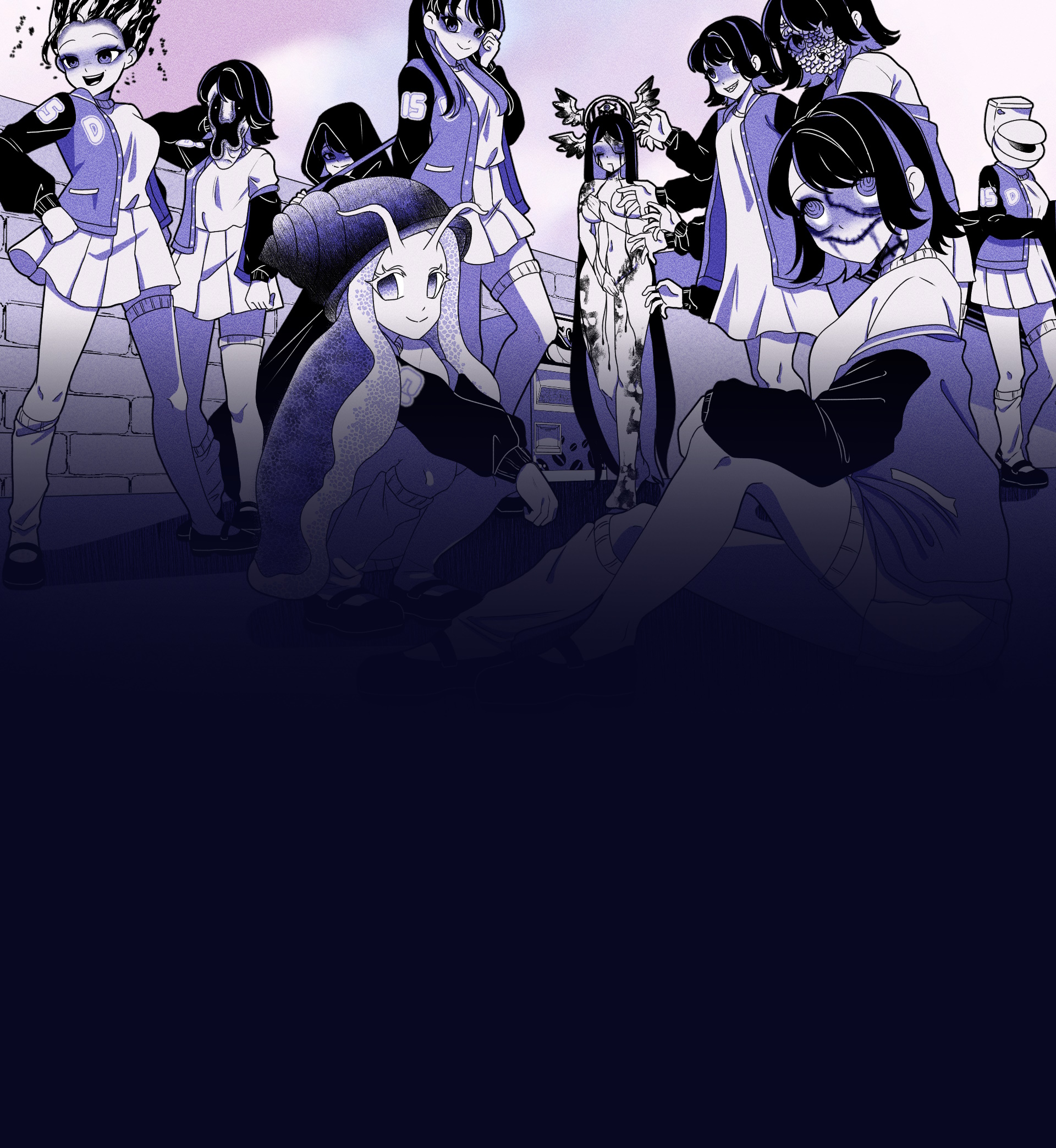

A unique visual novel where you explore a mysterious coffee machine that can dispense any liquid imaginable
Experience this unique visual novel interactive simulation game directly in your browser. No downloads required!
Click the button below to load and start the game
Visual Novel
30-60 minutes
Single Player
Web Browser
David Hamilton’s Laura, les ombres de l’été (1979) stands as a quintessential, if deeply controversial, artifact of late-1970s European erotic cinema. More than a simple narrative, the film is a visual tone poem that embodies Hamilton’s signature photographic aesthetic: soft focus, pastel lighting, and a dreamlike atmosphere. Yet, its subject matter—the sexual awakening of a teenage girl seen through an adult, lyrical lens—places it at the center of ongoing debates about art, exploitation, and the male gaze. Plot Summary The film follows Laura (Dawn Dunlap), a young American girl staying in a secluded French villa with her older cousin, Sarah (Maïté Nahyr). Over the course of a languid summer, Laura observes and participates in flirtations, jealousies, and sensual encounters, eventually having her first sexual experiences. The plot is minimal, functioning primarily as a framework for extended sequences of sun-drenched fields, sheer curtains, and lingering shots of female bodies. Hamilton’s Aesthetic: Painting with Light Hamilton was a celebrated fashion photographer before turning to film, and Laura is a direct extension of his still images. Every frame is composed like a painting—often recalling Balthus or Renoir. Blur and grain are used deliberately to evoke memory or fantasy rather than reality. Nudity is presented not as explicit but as ethereal: limbs merge with bedsheets, light filters through leaves onto skin. For admirers, this creates a chaste sensuality; for critics, it is a polished form of voyeurism. The Central Controversy The film’s primary tension lies in the age of its protagonist. Dawn Dunlap was 18 during filming, but Laura is intended to be 15 or 16. Hamilton repeatedly cast young-looking actresses in roles that blurred the line between girlhood and womanhood. This has led to accusations that Laura is not merely an erotic film but a romanticization of a minor’s sexuality. In France and elsewhere, the film was initially received as artistic; today, it is often re-evaluated through the lens of post-#MeToo ethics, making its distribution and public screening rare. Narrative vs. Imagery The film’s title— Les ombres de l’été (The Shadows of Summer)—hints at what is not shown: the psychological shadows of jealousy, loneliness, and the fleeting nature of innocence. However, Hamilton refuses to develop these darker tones. Instead, shadows are visual (patterns of light) rather than emotional. This evasion of depth is both the film’s strength (pure mood) and its weakness (a refusal to engage with real consequence). Legacy Laura, les ombres de l’été remains a cult object, discussed more in cinematography classes (for its diffusion filters and color grading) and film ethics seminars than in mainstream history. It influenced later directors like Jean Rollin and even music videos by Lana Del Rey, who appropriates Hamilton’s nostalgic, tragic-feminine aesthetic. Yet, unlike Lolita (which critiques its narrator), Hamilton’s film never questions its own perspective. The camera’s adoration is unconditional. Conclusion To watch Laura, les ombres de l’été in 2024 is to experience cognitive dissonance: ravishing images married to uncomfortable subject matter. The film succeeds as a dream—a summer suspended in amber—but fails as a drama because it refuses to wake up. David Hamilton created a world where light erases all judgment. Whether that world is a sanctuary or a prison depends entirely on the viewer’s willingness to step into its soft, shadowless haze. If your additional text ( mtrjm awn layn - fydyw lfth ) is a request for a translation into Arabic or another language, please clarify. I can provide an Arabic version of the essay upon request.
Discover what makes Anomalous Coffee Machine an unforgettable gaming experience
Interact with a mysterious vending machine that can dispense any liquid imaginable, possible or impossible.
Type in any word you can think of and see if the machine can dispense it. Endless possibilities await.
Experience a wide range of transformations and effects based on what you choose to drink.
Enjoy a rich visual experience with numerous animated scenes and visual effects.
Immerse yourself in an extensive narrative with over 100,000 words of dialogue and story content.
Interact with a mysterious girl who guides you through the experience of the anomalous machine.
In Anomalous Coffee Machine, you don't have any specific objectives. Simply experiment with the machine and discover what happens!
Input any word you can think of into the anomalous coffee machine.
The machine will attempt to dispense the corresponding liquid, no matter how impossible it seems.
Let the mysterious girl drink it and observe the effects and transformations that occur.
Try different words and combinations to unlock all 700+ possible drinks and their effects.
Experiment Freely
Try typing anything that comes to mind - from simple words like "coffee" to abstract concepts like "universe"
Observe Effects
Watch carefully as the girl drinks - each liquid can cause different transformations and reactions
Save Progress
Use the in-game save system to keep track of your discoveries and progress
Explore All Options
With 700+ possible words, there's always something new to discover