Adab Al Nufus Pdf -
Try your design ideas in seconds with a universal visual CSS editor that generates code for you. Say hello to speed, joy, and stunning designs in just a few clicks with CSS Pro's browser extension.
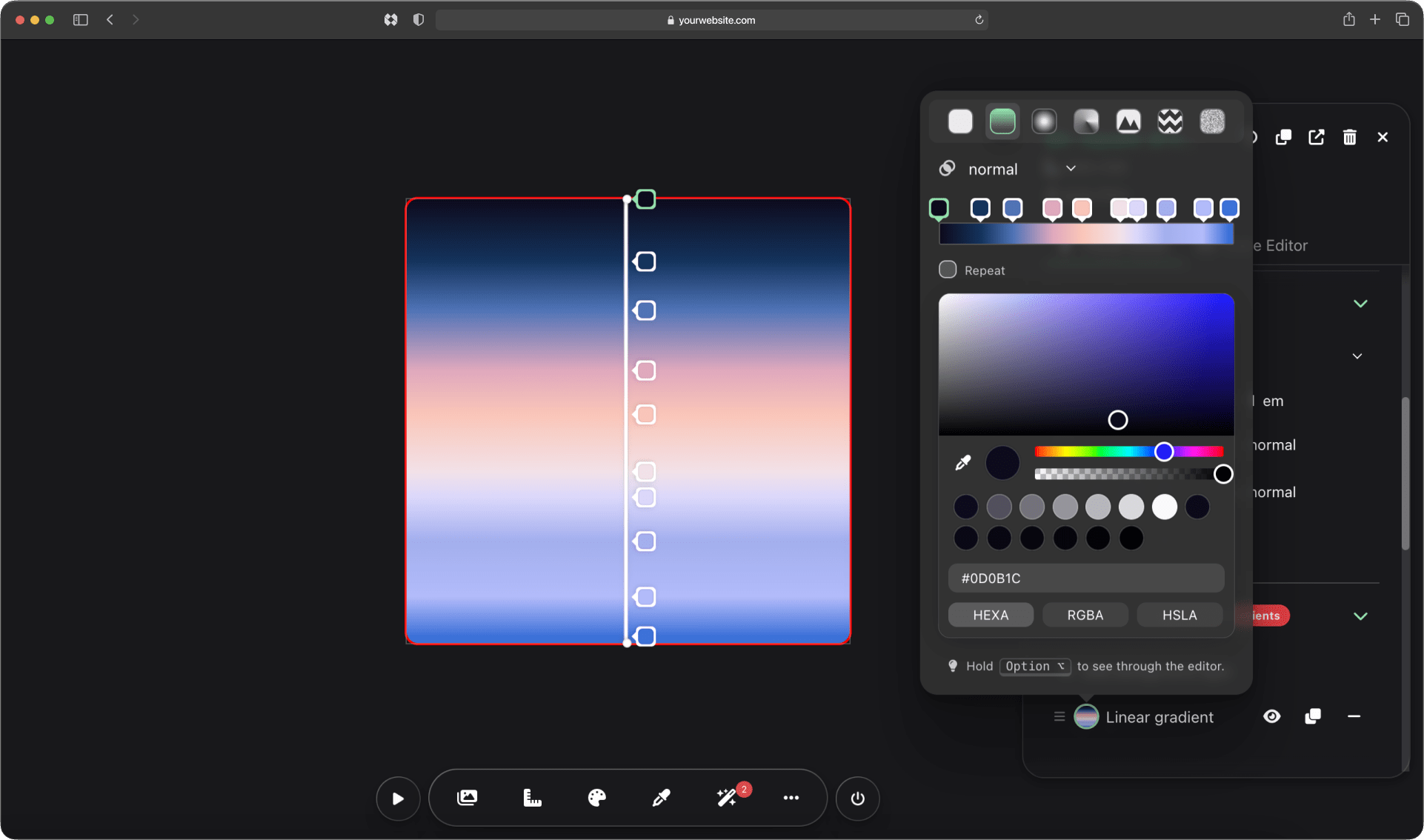
Try your design ideas in seconds with a universal visual CSS editor that generates code for you. Say hello to speed, joy, and stunning designs in just a few clicks with CSS Pro's browser extension.



In an age of relentless digital distraction and moral fragmentation, the search for self-discipline has become both urgent and elusive. For those navigating the Islamic intellectual tradition, one phrase that emerges from the depths of classical ethical literature is Adab al-Nufus —a term roughly translating to “The Discipline of the Souls” or “The Etiquette of the Selves.” While no single universally authoritative book bears this exact title, the concept is central to a corpus of works by luminaries such as al-Muhasibi, Ibn al-Jawzi, and al-Ghazali. In contemporary times, the availability of these texts as “Adab al-Nufus PDF” files has revolutionized access to this profound science, transforming rare manuscripts into everyday tools for spiritual growth. This essay develops a useful exploration of what Adab al-Nufus entails, why it matters, and how its digital dissemination serves as a bridge between classical Islamic psychology and modern self-improvement. 1. Defining Adab al-Nufus : Beyond Mere Morality To appreciate the utility of any PDF bearing this name, one must first understand the term. Adab (أدب) signifies not just good manners but refined discipline, cultural literacy, and the inner cultivation that prevents one from harming oneself or others. Al-Nufus (النفوس) is the plural of nafs —the self, soul, or ego. Unlike modern psychology’s neutral “self,” the nafs in Islamic thought has multiple stations: the inciting ego ( nafs ammara bi’l-su’ ), the self-blaming conscience ( nafs lawwama ), and the tranquil soul ( nafs mutma’inna ). Adab al-Nufus is the science of moving the nafs from chaos to calm through constant vigilance, accountability ( muhasaba ), and struggle ( mujahada ).
Classical adab al-nufus rejects sudden, unsustainable asceticism. Instead, it advises incremental detachment—e.g., reducing idle speech by 10% weekly. A PDF allows one to copy these graduated plans into a journal, customizing them to personal weaknesses.
Authors like al-Ghazali in Ihya’ Ulum al-Din recommend that one sit at dusk, review the day’s actions, and ask: “What did I do for Allah? For my ego? What will I do differently tomorrow?” A PDF reader can create a spreadsheet based on these prompts, turning ancient advice into a modern habit tracker.
Ask CSS Pro to edit the CSS for you. It runs on state-of-the-art models like:
 Claude Opus 4.5,
  ChatGPT 5.2, and
  Gemini 3 Pro.
Included in Pro MAX membership.
Easily share via link, copy or export all your edits. CSS Pro keeps track of all the changes you made on the CSS.
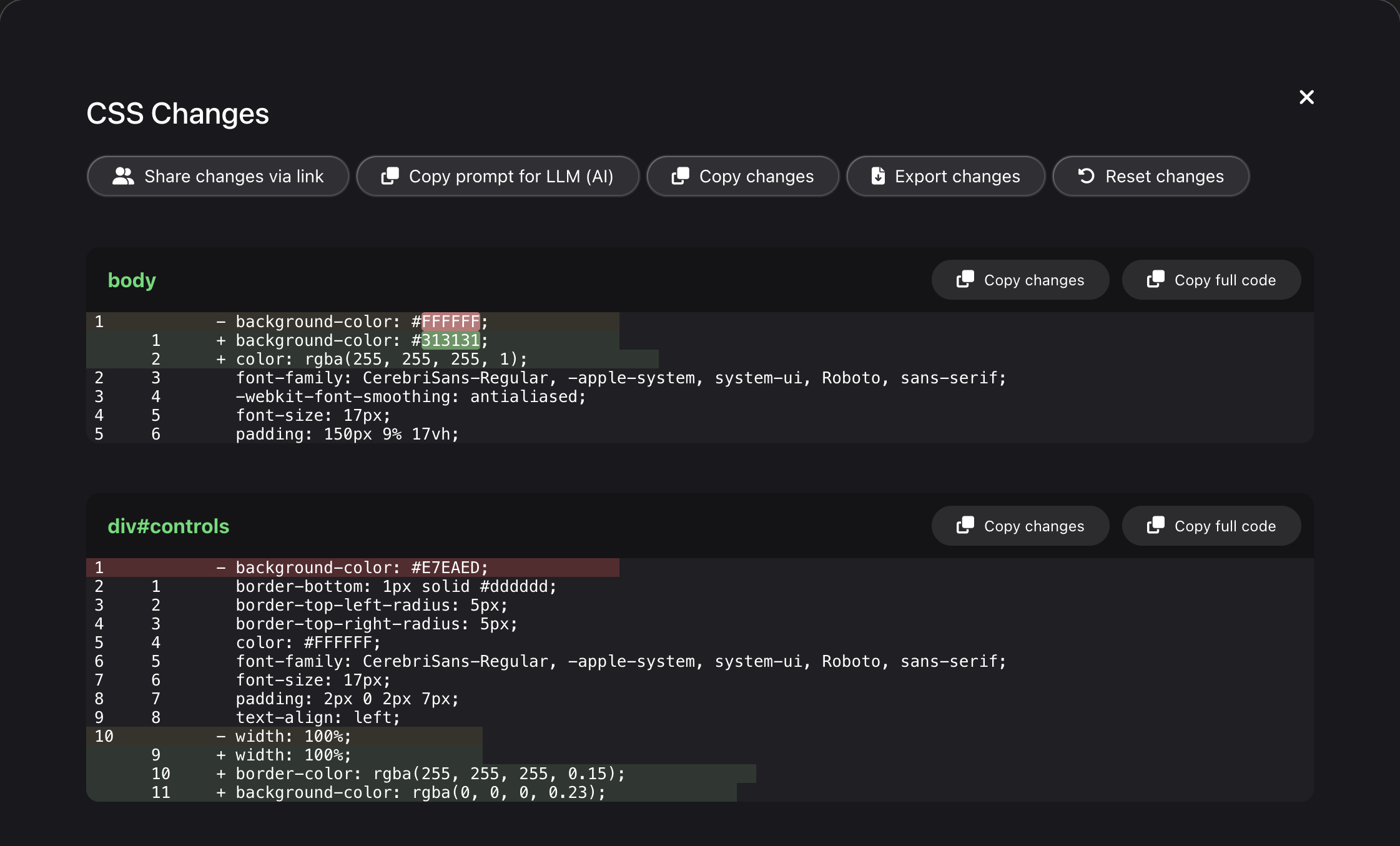




Share your changes via link.
Let anyone preview the updated website with your CSS changes.
With a Before / After toggle. Your team can see exactly what's been updated, and developers can copy the CSS changes instantly.
Let AI update your codebase; we give you the prompt. Click "Copy prompt for LLM (AI)", paste it into tools like Cursor, and let it automatically apply all the CSS changes to your source code.
Experiment with CSS without getting stuck. Play around, understand what's going on, and try new ideas.
Try it on this pageIn an age of relentless digital distraction and moral fragmentation, the search for self-discipline has become both urgent and elusive. For those navigating the Islamic intellectual tradition, one phrase that emerges from the depths of classical ethical literature is Adab al-Nufus —a term roughly translating to “The Discipline of the Souls” or “The Etiquette of the Selves.” While no single universally authoritative book bears this exact title, the concept is central to a corpus of works by luminaries such as al-Muhasibi, Ibn al-Jawzi, and al-Ghazali. In contemporary times, the availability of these texts as “Adab al-Nufus PDF” files has revolutionized access to this profound science, transforming rare manuscripts into everyday tools for spiritual growth. This essay develops a useful exploration of what Adab al-Nufus entails, why it matters, and how its digital dissemination serves as a bridge between classical Islamic psychology and modern self-improvement. 1. Defining Adab al-Nufus : Beyond Mere Morality To appreciate the utility of any PDF bearing this name, one must first understand the term. Adab (أدب) signifies not just good manners but refined discipline, cultural literacy, and the inner cultivation that prevents one from harming oneself or others. Al-Nufus (النفوس) is the plural of nafs —the self, soul, or ego. Unlike modern psychology’s neutral “self,” the nafs in Islamic thought has multiple stations: the inciting ego ( nafs ammara bi’l-su’ ), the self-blaming conscience ( nafs lawwama ), and the tranquil soul ( nafs mutma’inna ). Adab al-Nufus is the science of moving the nafs from chaos to calm through constant vigilance, accountability ( muhasaba ), and struggle ( mujahada ). adab al nufus pdf
Classical adab al-nufus rejects sudden, unsustainable asceticism. Instead, it advises incremental detachment—e.g., reducing idle speech by 10% weekly. A PDF allows one to copy these graduated plans into a journal, customizing them to personal weaknesses. In an age of relentless digital distraction and
Authors like al-Ghazali in Ihya’ Ulum al-Din recommend that one sit at dusk, review the day’s actions, and ask: “What did I do for Allah? For my ego? What will I do differently tomorrow?” A PDF reader can create a spreadsheet based on these prompts, turning ancient advice into a modern habit tracker. This essay develops a useful exploration of what
Every tool you wish DevTools had, now in one place.
Color Eyedropper
Point and click to get the color you're seeing with the color eyedropper.
It works even if it's an image.


#E1ECEA
Ruler
Measure distances between everything you see on your browser, in real-time, even if it's an image. It works like magic.
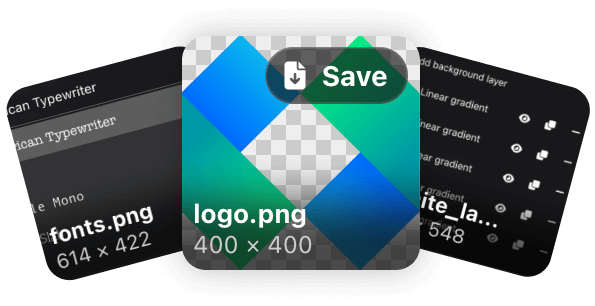
Assets
No more digging the code to get hard-to-save images; all assets in one place.
Color Palette
Check all the colors a website is using. Find the color you like, and click to copy.
We've been building CSS Pro for the past six years to make it easier for you to work with CSS. Here's what our users are saying about it.
CSS Pro completely changed how I work with CSS. Being able to visually edit any website with zero setup and instantly get clean, usable code is a game changer. The real-time tweaking, applied CSS view, and AI assistance make design faster, clearer, and honestly fun again.
CSS Pro is an essential tool for our agency. It allows us to prototype design changes instantly and show our clients the results in real-time during meetings. It's a huge time-saver and keeps getting better with every update.
CSS Pro is that tool where, the moment you turn it on, you instantly feel like you've got superpowers.
We do a lot of quick prototyping on live apps and CSS Pro really speeds up the entire workflow. It is significantly faster and more convenient than using built-in dev tools, making playing with different designs so much easier.
Take your work to the next level.
Solo or with your team, CSS like a Pro.
Pro
$10/month
Pro MAX
$15/month
Lifetime Pro MAX
$900
Billed only once
Prices in USD. Taxes may apply.
For Safari extension, macOS 10.13 or later required.
The extension will only work while your subscription is valid and not expired.
 Loading demo... Please wait